
Skating Equipment Guide & Skate Size Calculator
Skating Equipment Tips for Figure Skaters, Hockey Players and Beginners
Our Skating Equipment Guide & Skate Size Calculator helps skaters and families choose the right equipment, find a suitable skate size and get started on the ice with confidence. Whether you're new to skating or building on existing skills, having properly fitted skates and the right equipment makes a difference.
Explore practical tips on skate sizing, fit, equipment selection and care for beginner skaters, figure skaters and hockey players. From choosing your first pair of skates to understanding the equipment needed for figure skating or hockey power skating, our guide helps you make informed decisions before you hit the ice.
Skate Size Calculator
Please Note: This calculator is intended as a general starting guide only. Sizing standards vary significantly across major manufacturers—Bauer, CCM, and True hockey skates fit differently than Jackson or Edea figure skates. A proper skate fit requires a locked heel, minimal negative space, and correct ankle support that can only be verified in person. We highly recommend visiting a local pro shop or sporting goods store to have your child's feet properly measured on a Brannock device and to try on various models to ensure proper comfort, stiffness, and safety before hitting the ice.
Skates
-
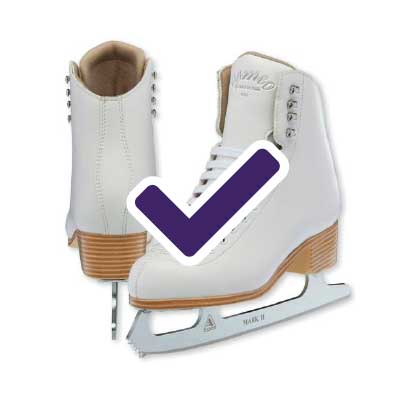
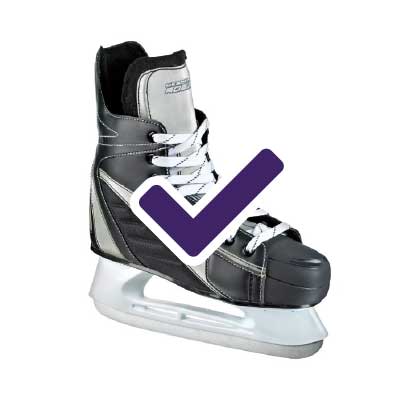
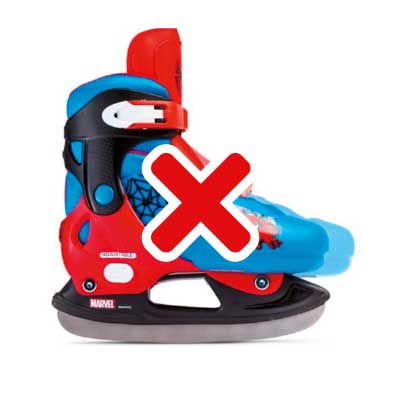
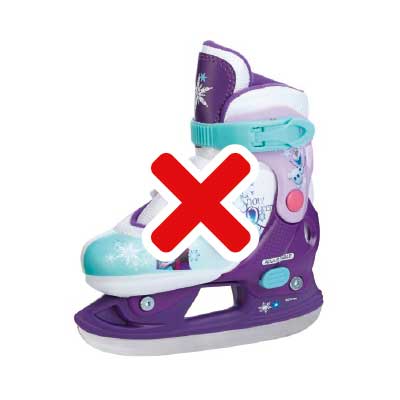
Material: Leather, lace-up hockey skates or figure skates are highly preferable to vinyl. Molded plastic skates with velcro or buckle closures are not recommended, as they do not provide proper ankle support.
-
Sizing & Fit: Skates should fit snugly like a regular shoe. Never buy a size up for growth. Look for a brand that accommodates the specific length and width of your child's foot. The boot should not crease or collapse under their weight.
-
Socks: Wear one single pair of thin athletic socks. Wearing multiple pairs of socks restricts blood flow and actually makes feet freeze faster.
-
Lacing: Ensure laces are tightest through the ankle area to provide support, but never wrap long laces around the ankle, as this cuts off circulation and ruins the flexibility of the boot.
-
Hockey vs. Figure Skates: If your child's long-term goal is figure skating, do not start them in hockey skates. The transition later is difficult because they will become accustomed to skating without a toe pick and a rockered blade profile.
-
Skate Guards: Use skate guards to protect your blade sharpness when walking off ice.
-
Skate Cleaning: After skating be sure to clean off any ice and moisture with a towel. Do not put skate guards on for storage to prevent moisture build up and rusting.
- Skate Sharpening: It is important to have sharpened skates. A general guide:
- Beginners: 2-3 Months
- Casual: 3-6 Weeks
- Active Hockey Players: 2 to 3 games
- Figure Skaters: 2 to 4 weeks
Signs Your Skates Need Sharpening:
-
- Slipping Edges: Your edges slide out during tight turns, stops, or crossovers.
- Blade chatter: The blade vibrates or feels unstable when you glide.
- Pulling to one side: You feel unbalanced or dragged toward a specific edge.
- Visible damage: You feel or see nicks, chips, rust, or gouges along the bottom steel edge.
- The fingernail test: Lightly drag a fingernail across the edge. A sharp edge catches a thin layer of nail dust; a dull edge slides right over it.
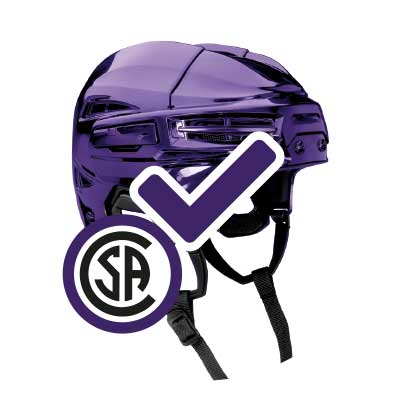
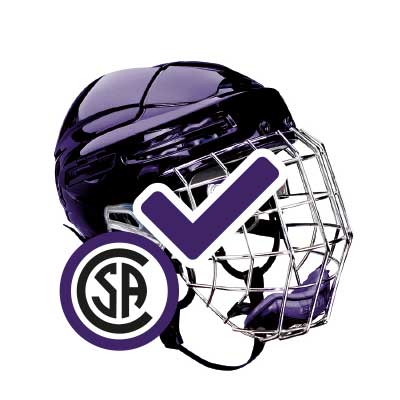
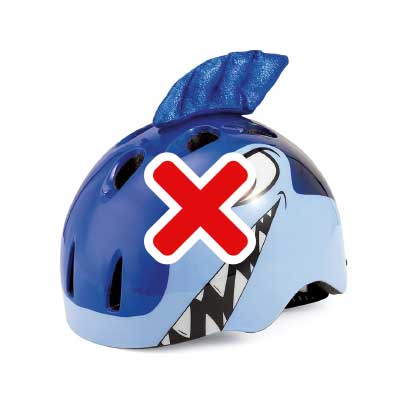
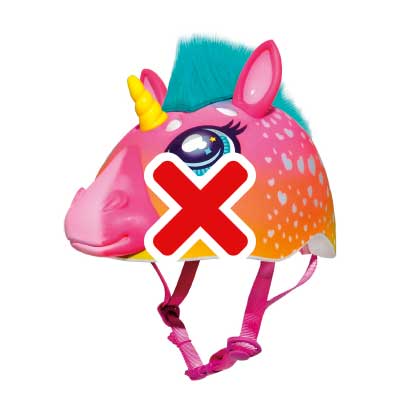
CSA Helmets
All skaters in CanSkate up to and including Stage 5 MUST wear a CSA-approved hockey helmet (bike, ski, or equestrian helmets are not permitted). While a full face cage is not mandatory, it is highly recommended for younger skaters. Skaters who have cleared Stage 5 and are in Stage 6 or higher may choose to skate without a helmet.
-
Snug fit: The helmet must not shift when the child shakes their head.
-
The 2-Finger Rule: The front rim must rest two finger-widths above the eyes.
-
Straps: Helmet should have straps that make a "V" around the ears, and is no more than 1 finger space under the chin.
-
CSA Manufacture Date: All CSA-certified helmets have their manufacture date printed directly on their certification sticker.
-
The 5 Year Rule: Skate Canada recommends replacing helmets every 5 years from that specific manufacture date.
-
Damage & Impact: Hockey helmets must not be used if previously subjected to a major impact, showing visible signs of damage or if parts are missing.
-
The Invisible Risk: The internal protective foam liner naturally dries out and hardens over time from sweat, temperature shifts, and age. This causes it to lose its ability to absorb impacts safely, even if the outer plastic shell looks flawless.
- Comfort: Although most helmets are lined with protective foam, some helmets will feel better than others. Try on different brands of helmets for fit and comfort.
On-ice Clothing
-
Layering Over Bulk: Heavy winter coats and snowsuits are not recommended. Skaters move constantly and work hard, so bulky gear causes them to overheat and restricts movement. Instead, dress your child in layered, tight-fitting, stretchy athletic clothing.
-
Stay Dry: For beginners, wearing water-resistant or waterproof shell pants over their layers is highly beneficial to keep them dry and comfortable during frequent falls.
-
Hands: Gloves or mittens are mandatory for all sessions to keep hands warm and protect them on the ice.
Hair
-
Keep it Clear: Hair must be securely tied back and kept completely away from the face so it does not obstruct your skater's vision.
-
Quick Options: A simple ponytail works well if you are short on time.
-
Long Hair: For very long hair, a braid or a bun is preferred. This prevents a long ponytail from whipping around and distracting the skater during spins, turns, and jumps.
Power Skating Only
Important: This is not a beginner learn-to-skate program. Skaters must already be participating in organized hockey and be able to skate forwards, skate backwards, and stop confidently.
This program is designed to help hockey players build on their existing skills through focused training in edge work, speed, strength, balance, agility, control, and on-ice conditioning. The goal is to improve skating technique, power, efficiency, and overall performance on the ice.
Required Equipment: All participants must wear full hockey equipment, including a CSA-approved hockey helmet with a full face mask and a neck guard. Hockey gloves, shoulder pads, elbow pads, hockey pants, shin guards, and hockey skates are also required. Each skater must bring their own hockey stick to every session.